How to Choose the Right Buggy for Dubai's Desert Terrain
Understanding Your Desert Driving Needs
Dubai's desert landscape offers some of the most exciting off-road experiences in the world. Choosing the right dubai buggy is not just about picking a vehicle that looks fast; it is about matching the machine to the terrain, your skill level, and the type of adventure you want. The sand dunes vary from soft, rolling slopes to steep, technical climbs, and each type demands a different set of features from your buggy.
Step 1: Assess the Terrain You Will Cover
Before you look at any vehicle, think about where you plan to drive. The desert around Dubai includes vast open areas of flat sand, tall dunes with sharp drops, and rocky patches near the outskirts. A buggy that handles well on hard-packed sand may struggle in soft, loose dunes. If you intend to spend most of your time on open desert plains, a larger buggy with a wider wheelbase and higher horsepower can give you the speed and stability you need. For technical dune bashing, a lighter, more agile buggy with a shorter turning radius is often a better choice.
What to Watch For
Pay attention to the buggy's wheelbase and ground clearance. A longer wheelbase provides stability at speed but can make tight turns difficult. Higher ground clearance helps you avoid getting stuck on crests, but it also raises the center of gravity, which can affect handling on steep slopes. Look for models that offer adjustable suspension or different tire pressures to adapt to changing conditions.
Step 2: Match Power to Your Experience
Buggy power is measured by engine size and horsepower. A beginner driver will benefit from a vehicle with moderate power that is easy to control. Too much power in inexperienced hands can lead to loss of control on loose sand. On the other hand, an experienced driver may want a buggy with a larger engine to climb steep dunes and power through soft patches without getting stuck.
What to Watch For
Check the engine type. Most desert buggies use either a petrol engine or a diesel engine. Petrol engines are lighter and rev higher, which is useful for quick acceleration. Diesel engines offer more torque at lower speeds, which can help in soft sand. Also consider the transmission: manual gearboxes give you more control over power delivery, while automatic transmissions are easier to operate but may not offer the same level of control in tricky conditions.
Step 3: Consider Safety Features
Driving in the desert carries inherent risks. A good buggy should have a robust roll cage, safety harnesses, and a reliable braking system. Look for a vehicle that includes a helmet and goggles as standard equipment. Some buggies come with a fire extinguisher and a first-aid kit, which are wise additions. The seating should be comfortable and secure, with adjustable straps to keep you in place during rough rides.

What to Watch For
Inspect the roll cage material. Steel cages are durable but heavy; aluminum cages are lighter but may not offer the same level of protection. Check that the harnesses are not frayed and that the buckles function smoothly. The brakes should be responsive and easy to reach. If the buggy has a steering wheel, make sure it is not loose. For models with a steering yoke, test the turning radius before you commit.
Step 4: Evaluate Rental Options and Packages
If you are not ready to buy, renting a buggy is a practical way to experience the desert. Many operators offer half-day or full-day rentals, often including a guide who knows the best routes. When choosing a rental, consider the condition of the fleet. Well-maintained buggies are less likely to break down in the desert. Ask about the age of the vehicles and how often they are serviced.
What to Watch For
Check the rental agreement for insurance coverage. Some policies cover damage to the buggy, while others require you to pay for repairs. Also confirm whether the rental includes fuel or if you need to fill up. A good operator will provide a briefing on the vehicle's controls and the desert environment before you set off. One local option is Dune Buggy Dubai - ATV Quad Bike Desert Safari Tours. It is worth confirming with whichever business you choose what their fleet condition and insurance terms are.
Step 5: Think About Comfort and Capacity
Buggy seats can be cramped, especially for taller drivers. Sit in the vehicle before you decide. Check the legroom and the position of the pedals. If you plan to drive for several hours, comfort matters. Some buggies have adjustable seats and steering columns, while others are fixed. Also consider how many passengers you want to carry. Two-seater buggies are common, but some models can carry four or more people. More passengers mean more weight, which affects performance on dunes.
What to Watch For
Look for padded seats with good back support. A buggy with a high backrest can reduce fatigue on long drives. If you are sharing the buggy, check that the passenger seat has similar safety features. Some buggies offer a canopy or roof to provide shade, which is a welcome feature under the Dubai sun.
Step 6: Test Drive Before You Commit
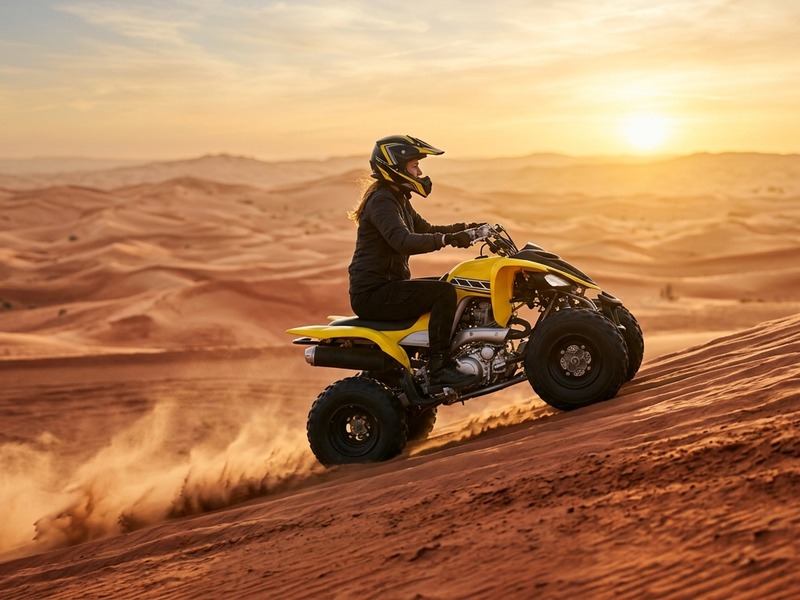
Whenever possible, take the buggy for a short test drive on similar terrain. This will tell you how the vehicle handles, how responsive the controls are, and whether you feel comfortable. Pay attention to the steering feel, the braking distance, and how the buggy reacts to small bumps. A test drive can reveal issues that are not obvious from a static inspection.
What to Watch For
During the test drive, listen for unusual noises from the engine or suspension. Feel for vibrations in the steering wheel or pedals. Check that the buggy accelerates smoothly and that the brakes do not grab. If possible, drive on a patch of loose sand to see how the buggy behaves when the wheels start to slip. A good buggy will feel stable and predictable.
Step 7: Plan Your Route and Timing
The desert can be disorienting, especially for first-time drivers. Plan your route in advance and let someone know where you are going. Many operators provide GPS units or recommend specific tracks. The best time to drive is early morning or late afternoon, when the light is good and the temperature is lower. Avoid driving in the middle of the day, as the heat can be intense and the sand can become very soft.
What to Watch For
Check the weather forecast before you head out. Strong winds can create low visibility and make the dunes shift. Also be aware of the tide if you are near the coast; some desert areas close to the sea can have damp sand that behaves differently. Always carry extra water and a basic recovery kit, including a shovel and traction mats, in case you get stuck.
Step 8: Understand Maintenance and Upkeep
If you decide to buy a buggy, maintenance is an ongoing responsibility. Desert sand is abrasive and can wear down moving parts quickly. Regularly check the air filters, oil levels, and tire pressure. After each trip, clean the buggy thoroughly to remove sand from the undercarriage and engine bay. Corrosion from salt and sand can cause problems over time, so a good wash is essential.
What to Watch For
Pay special attention to the cooling system. Desert heat can cause engines to overheat, especially when driving slowly through soft sand. Check that the radiator is clean and that the fan is working. Also inspect the belts and hoses for cracks or wear. A well-maintained buggy will last longer and perform better.
Choosing a Reliable Provider
When you are ready to rent or buy, look for a provider with a solid reputation. Ask about their service history and whether they offer a warranty. A provider that stands behind their equipment is more likely to supply a buggy that is safe and reliable. For those starting their search, Dune Buggy Dubai - ATV Quad Bike Desert Safari Tours is one option to consider.

In the end, the right buggy is the one that fits your skill, your planned routes, and your budget. Take your time, do your research, and never hesitate to ask questions. The desert rewards careful preparation.
Dune Buggy Dubai - ATV Quad Bike Desert Safari Tours is located at Grosvenor Business Tower 3 1st Floor - Grosvenor Business Tower 3 - Office 105 - 1st Floor Office 105 Al Fosool street - الثنيه الأولى - Barsha Heights - دبي - United Arab Emirates.